 Sahil K
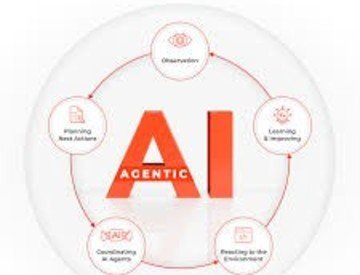
Artificial Intelligence is evolving rapidly, and one of the most exciting developments in this field is Agentic AI. Unlike traditional AI systems that only respond to commands, Agentic AI systems can act autonomously, make decisions, plan tasks, and execute actions to achieve goals.
This new generation of AI is reshaping industries, improving productivity, and enabling smarter automation across businesses and digital ecosystems.
In this article, we will explore what Agentic AI is, how it works, its key benefits, real-world applications, and why it represents the future of intelligent automation.
What is Agentic AI?
Agentic AI refers to artificial intelligence systems that function as autonomous agents capable of making decisions and taking actions independently to achieve specific goals.
Instead of simply responding to prompts, Agentic AI systems can:
-
Understand objectives
-
Plan steps to achieve goals
-
Execute tasks automatically
-
Learn from outcomes
-
Adapt to new situations
In simple terms, Agentic AI behaves more like a digital worker rather than a passive tool.
For example:
Traditional AI → Answer a question
Agentic AI → Research the answer, analyze data, generate insights, and deliver a report automatically.
How Agentic AI Works

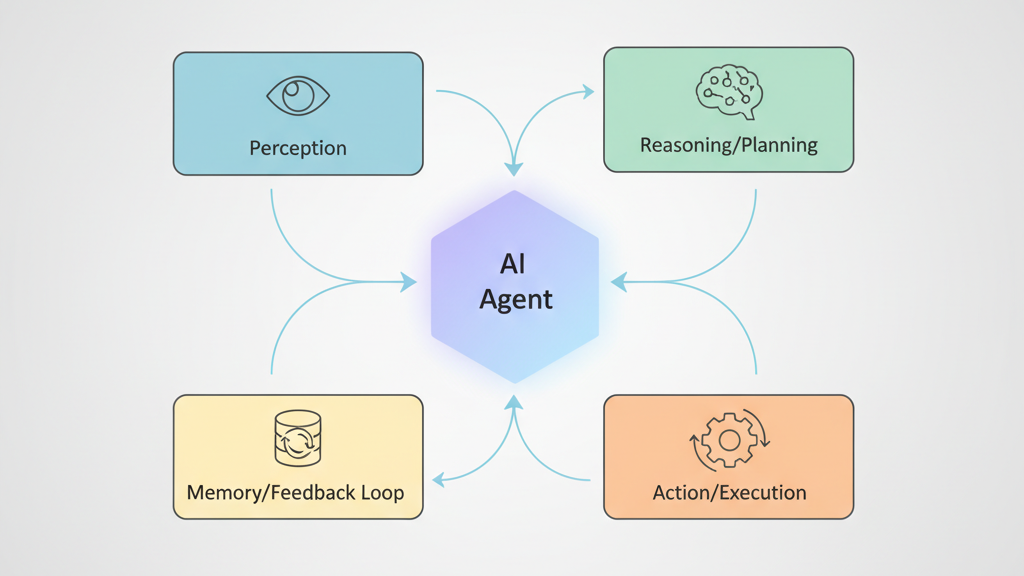
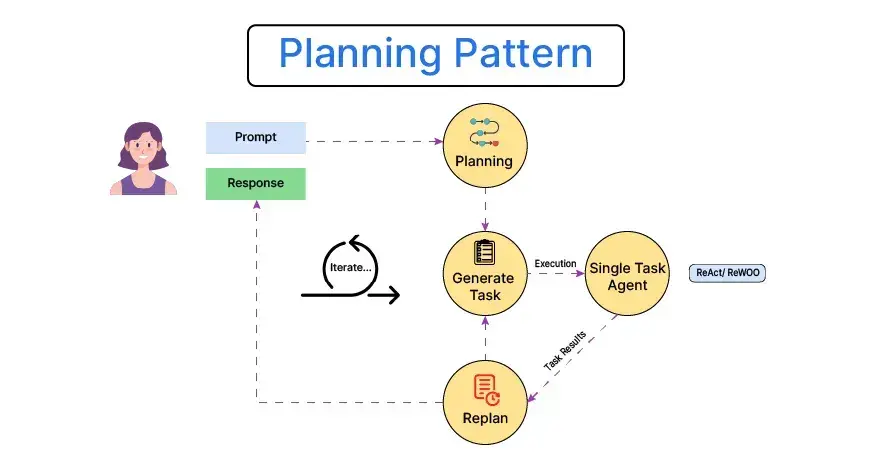
Agentic AI systems operate using a structured workflow that allows them to perform complex tasks autonomously.
1. Goal Understanding
The system first identifies a goal or objective given by the user or environment.
Example:
“Analyze customer data and suggest marketing strategies.”
2. Planning
The AI creates a step-by-step strategy to achieve the goal.
Example tasks may include:
-
Data collection
-
Data analysis
-
Pattern recognition
-
Report generation
3. Action Execution
The AI executes actions using:
-
APIs
-
Databases
-
Web tools
-
Automation systems
4. Learning and Improvement
Agentic AI continuously improves using:
-
Feedback loops
-
Machine learning
-
Reinforcement learning
This allows the system to adapt and become more efficient over time.
Key Features of Agentic AI
Agentic AI differs from traditional AI systems due to several powerful capabilities.
Autonomous Decision Making
Agentic AI can make decisions independently without human intervention.
Multi-Step Task Execution
It can perform complex tasks that require multiple steps and logical reasoning.
Continuous Learning
Agentic AI improves performance through data and feedback.
Tool Integration
It can integrate with tools such as:
-
databases
-
APIs
-
enterprise software
-
automation platforms
Real-Time Adaptation
Agentic AI systems can respond to new information and changing environments.
Real-World Applications of Agentic AI


Agentic AI is already transforming many industries.
Business Automation
Companies use Agentic AI to automate operations such as:
-
data analysis
-
report generation
-
workflow automation
-
decision support
Customer Support
AI agents can:
-
answer customer queries
-
resolve issues automatically
-
manage support tickets
Software Development
Agentic AI can assist developers by:
-
generating code
-
debugging programs
-
testing applications
-
managing deployments
Healthcare
In healthcare, Agentic AI helps with:
-
medical data analysis
-
treatment recommendations
-
clinical decision support
Finance
Financial institutions use Agentic AI for:
-
fraud detection
-
trading strategies
-
risk management
Agentic AI vs Traditional AI
| Feature | Traditional AI | Agentic AI |
|---|---|---|
| Task Execution | Single task | Multi-step tasks |
| Decision Making | Limited | Autonomous |
| Adaptability | Low | High |
| Learning | Static models | Continuous learning |
| Automation | Partial | Full automation |
Agentic AI represents a major step forward in AI capabilities, enabling systems to act intelligently and independently.
Benefits of Agentic AI
Organizations are adopting Agentic AI because it offers several powerful advantages.
Increased Productivity
Agentic AI can automate repetitive and complex tasks.
Faster Decision Making
AI agents analyze large amounts of data quickly.
Cost Reduction
Automation reduces operational costs.
Scalability
Businesses can scale operations without increasing manpower.
Innovation
Agentic AI enables new business models and services.
Challenges and Risks of Agentic AI
Despite its advantages, Agentic AI also presents challenges.
Ethical Concerns
Autonomous AI systems must be designed with strong ethical guidelines.
Security Risks
Agentic AI systems must be protected from misuse or cyber threats.
Control and Monitoring
Organizations must maintain human oversight.
Data Privacy
AI systems require large amounts of data, which raises privacy concerns.
Proper governance and regulation will be essential as Agentic AI adoption increases.
The Future of Agentic AI
Agentic AI is expected to become one of the most influential technologies of the next decade.
Future developments may include:
-
Fully autonomous digital assistants
-
AI-powered business ecosystems
-
Self-managing software systems
-
Advanced decision-making AI
As AI technology continues to evolve, Agentic AI will play a crucial role in shaping the future of intelligent automation and digital transformation.
Conclusion
Agentic AI represents a powerful shift in how artificial intelligence operates. Instead of simply responding to instructions, Agentic AI systems can plan, decide, and act independently to achieve complex goals.
From business automation to healthcare and finance, Agentic AI is unlocking new possibilities and transforming industries worldwide.
Organizations that embrace this technology early will gain a significant competitive advantage in the rapidly evolving digital landscape.